WRMS Global

From Forecasts to Financial Resilience: Strengthening Disaster Preparedness Through Early Action
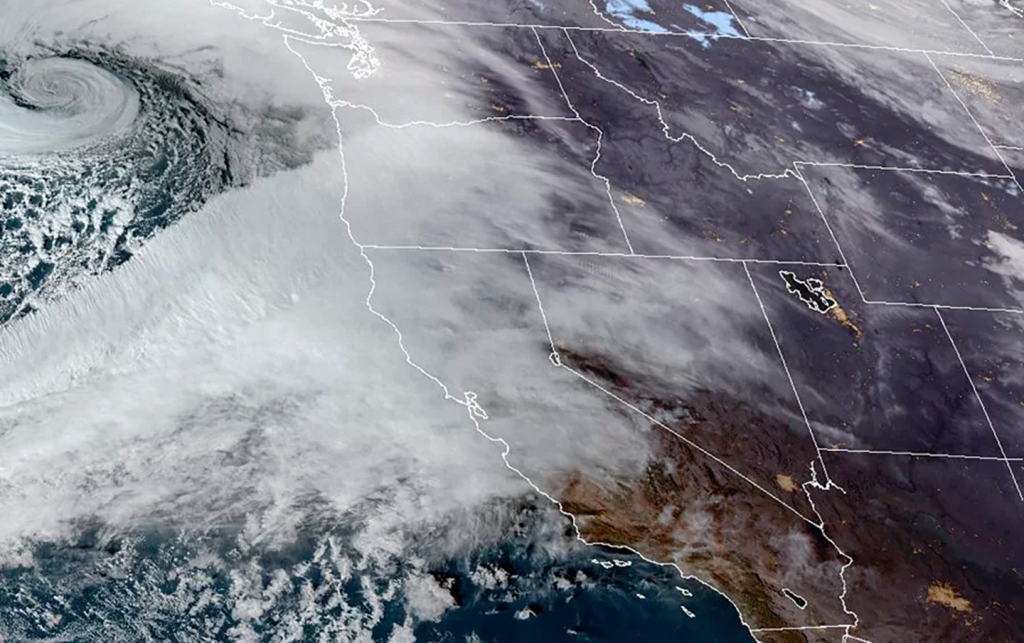
Case Study: From Forecasts to Financial Resilience: Strengthening Disaster Preparedness Through Early Action The Challenge The Approach The Solution Forecast-Driven Trigger Framework Early Action Financing Data-Driven Payout Calculation Climate and Weather Data Integration Transparent Activation Protocols Resilience – Oriented Risk Financing The Impact WRMS’s Role Climate Risk Finance Impact The Challenge Communities exposed to climate-related hazards such as cyclones, floods, and droughts often face significant challenges in accessing resources before disasters occur. Traditional disaster financing mechanisms typically release funds after an event has already caused damage, limiting the ability of vulnerable populations to take preventive action and reduce losses. As climate risks become more frequent and severe, there is a growing need for financing solutions that enable earlier interventions, strengthen preparedness, and improve resilience before hazards escalate into disasters. To address this challenge, stakeholders required a proactive risk financing approach capable of translating reliable weather forecasts into timely financial support and early action. The Approach Forecast-based Financing (FbF) was developed to enable the release of funds before a disaster occurs, using scientifically validated weather forecasts and predefined trigger thresholds. The framework integrates climate and weather data into decision-making processes, allowing resources to be mobilized when forecast conditions indicate a high likelihood of a hazardous event. Unlike traditional response-focused approaches, FbF supports anticipatory action, helping communities prepare and protect livelihoods before impacts occur. By linking forecast information to objective activation protocols, the approach enables faster, more efficient, and more transparent disaster risk management. The Solution Forecast-Driven Trigger Framework The solution is built around predefined forecast thresholds that activate funding when a high probability of a climate hazard is detected. Early Action Financing Funds are released before an event occurs, enabling proactive interventions that help reduce disaster impacts and protect vulnerable populations. Data-Driven Payout Calculation Calibrated trigger mechanisms and objective weather datasets are used to determine payout amounts consistently and efficiently based on disruption severity. Climate and Weather Data Integration Advanced weather forecasting and climate intelligence are incorporated into decision-making processes, ensuring timely and evidence-based activation. Transparent Activation Protocols Objective trigger mechanisms and clearly defined procedures provide transparency and consistency in funding activation and deployment. Resilience- Oriented Risk Financing The framework strengthens preparedness by linking early warning systems with financial resources, creating a more proactive approach to disaster risk management. The Impact Forecast-based Financing is helping shift disaster management from reactive response to proactive preparedness, enabling earlier interventions and improved resilience outcomes. Early funding was activated through forecast-based triggers Improved disaster preparedness and response capabilities Reduced losses through proactive interventions Stronger community resilience before, during, and after disasters Enhanced decision-making through forecast-driven risk financing By enabling resources to be mobilized before hazards strike, the approach helps communities reduce disaster impacts and recover more effectively. WRMS’s Role WRMS supports forecast-based risk financing initiatives by contributing to: Designing forecast-driven trigger frameworks Integrating weather and climate data into decision-making processes Supporting trigger calibration and validation Enabling transparent and objective activation protocols Strengthening the connection between early action and financial protection This approach helps stakeholders act earlier, reduce disaster impacts, and improve resilience outcomes through data-driven risk financing solutions. Climate Risk Finance Impact The framework delivers significant benefits across disaster preparedness and climate resilience initiatives, including: Faster response to impending hazards Lower disaster-related costs Enhanced community resilience Improved preparedness and recovery outcomes Stronger integration between early action and financial protection mechanisms Together, Forecast-based Financing and Parametric Insurance create a layered climate risk financing approach that supports prevention, rapid response, recovery, and long-term resilience for vulnerable communities.

Quantifying Climate Risk in Coal Infrastructure

Case Study: Quantifying Climate Risk in Coal Infrastructure The Challenge The Approach The Solution Parametric Rainfall Insurance Framework Automated Claims Process Data-Driven Payout Calculation Rapid Financial Support Risk Quantification and Exposure Assessment Rapid Financial Response The Impact WRMS’s Role Business Impact The Challenge Coal infrastructure operators are increasingly exposed to weather-related disruptions, particularly during periods of excessive rainfall. Heavy rainfall can impact loading operations, transportation networks, vessel scheduling, and overall supply chain efficiency, resulting in significant operational and financial losses. Traditional risk management approaches often provide limited protection against these disruptions, leaving operators vulnerable to reduced productivity, increased logistics costs, and revenue uncertainty during critical operating periods. To improve resilience and financial predictability, there was a need for an objective and transparent risk transfer solution capable of providing rapid financial support when rainfall-related disruptions occur. The Approach A parametric insurance framework was developed to help coal infrastructure operators manage the financial impacts of excessive rainfall. The solution was designed around predefined cumulative rainfall thresholds, using objective weather data to determine when payouts should be activated. Unlike traditional insurance products, the framework eliminates the need for physical damage assessments or lengthy claims investigations. Instead, payouts are linked directly to measurable rainfall events, enabling faster financial response and greater certainty for operators. The Solution Parametric Rainfall Insurance Framework The insurance solution was structured around predefined cumulative rainfall trigger thresholds, ensuring objective and transparent payout activation when qualifying weather events occur. Automated Claims Process Because payouts are based on independently verified weather data, no manual loss assessments or traditional claims procedures are required. Data-Driven Payout Calculation Calibrated trigger mechanisms and objective weather datasets are used to determine payout amounts consistently and efficiently based on disruption severity. Rapid Financial Support Once trigger conditions are met, payouts can be activated quickly, enabling vulnerable households to access financial assistance following climate-related events. Risk Quantification and Exposure Assessment The framework incorporates detailed analysis of rainfall-related operational disruptions, helping quantify potential financial exposure and improve risk management strategies. Rapid Financial Response Pre-agreed payout structures enable operators to access liquidity quickly following rainfall-driven disruptions, supporting business continuity and operational recovery. The Impact The parametric insurance framework provides a structured and transparent approach to managing climate-related operational risk across coal infrastructure operations. Addressed 5–20 days of annual rainfall-related operational disruption Incorporated 20–40% reductions in loading and dispatch efficiency into risk modelling Quantified seasonal exposure ranging from USD 1–3 million Enabled faster financial response during rainfall-driven shutdowns Improved financial predictability and operational resilience By providing rapid access to financial support following disruptive rainfall events, the solution helps operators reduce uncertainty and better manage the operational impacts of climate variability. WRMS’s Role WRMS supported the development and implementation of the parametric solution, contributing to: Quantifying rainfall-related operational risks Designing cumulative rainfall trigger thresholds Structuring pre-agreed payout mechanisms aligned with disruption severity Leveraging objective weather datasets for trigger validation Supporting transparent claims calculation and payout determination This solution demonstrates how parametric insurance can transform climate-related operational risk into a measurable and manageable financial exposure, enabling businesses to move from reactive crisis management to proactive resilience planning. Business Impact The framework delivers tangible operational and financial benefits, including: Faster liquidity during rainfall-driven shutdowns Improved predictability in coal movement and vessel scheduling Reduced budget volatility during monsoon periods Better management of logistics and demurrage costs By combining objective weather data with innovative risk transfer mechanisms, parametric insurance helps coal infrastructure operators strengthen operational resilience while improving financial certainty in an increasingly volatile climate environment.

Advancing Climate Resilience in Tuvalu with High-Tide Parametric Insurance
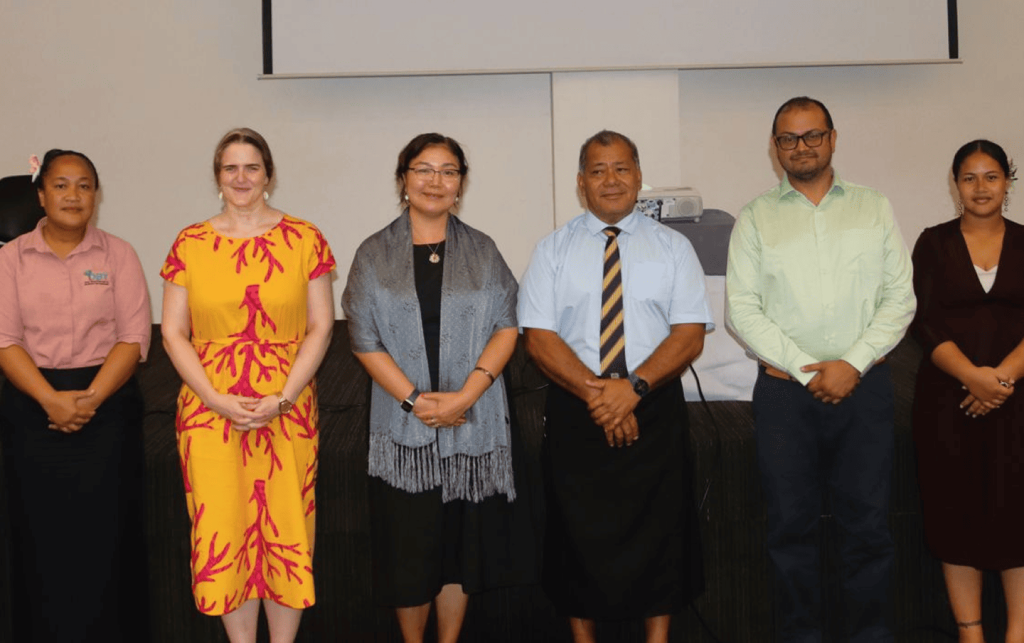
Case Study: Advancing Climate Resilience in Tuvalu with High-Tide Parametric Insurance The Challenge The Approach The Solution Parametric High-Tide Insurance Framework Automated Claims Process Data-Driven Payout Calculation Rapid Financial Support Coastal Risk Monitoring and Validation The Impact WRMS’s Role Programme Partners The Challenge Tuvalu is one of the world’s most climate-vulnerable nations, facing increasing risks from sea-level rise, high tides, and coastal flooding. These events can significantly impact livelihoods, infrastructure, and household financial security, particularly for communities living in low-lying coastal areas. Traditional disaster response mechanisms often struggle to provide timely financial assistance following climate-related events, creating a need for innovative solutions that can deliver rapid and transparent support when communities need it most. To strengthen financial resilience and improve preparedness for coastal hazards, there was a need for an objective and efficient risk transfer mechanism capable of providing immediate financial protection against high-tide events. The Approach Developed under the Pacific Insurance and Climate Adaptation Programme (PICAP), Tuvalu’s first high-tide parametric insurance solution was introduced to provide rapid financial support when predefined sea-level thresholds are exceeded. The product was designed around objective sea-level triggers, using independently verified data to determine when payouts should be activated. Unlike conventional insurance products, the solution eliminates the need for lengthy claims assessments and manual loss verification processes. By linking payouts directly to measurable sea-level conditions, the programme provides a transparent and efficient mechanism for delivering financial assistance to vulnerable households exposed to coastal flooding and rising sea levels. The Solution Parametric High- Tide Insurance Framework The insurance product was structured around predefined sea-level trigger thresholds, ensuring objective and transparent payout activation when qualifying high-tide events occur. Automated Payout Process
 Because the policy relies on independently verified sea-level data, no manual damage assessments or traditional claims investigations are required. Data-Driven Payout Calculation Transparent calculation protocols use objective datasets and calibrated trigger mechanisms to determine payouts consistently and efficiently. Rapid Financial Support Once trigger conditions are met, payouts can be activated quickly, enabling vulnerable households to access financial assistance following climate-related events. Coastal Risk Monitoring and Validation The solution incorporates coastal risk modelling and threshold validation to ensure trigger levels accurately reflect local exposure and risk conditions. The Impact The programme marked a significant milestone in climate risk protection through the introduction of Tuvalu’s first high-tide parametric insurance solution. First high-tide parametric insurance product introduced in Tuvalu Objective sea-level triggers established for transparent payout activation Rapid payout mechanism linked to predefined thresholds Improved preparedness and resilience against coastal flooding and sea-level rise This pioneering initiative demonstrates how parametric insurance can provide fast, transparent, and reliable financial protection for communities facing increasing climate risks. The programme establishes a scalable framework for strengthening resilience in highly exposed coastal environments across the Pacific. WRMS’s Role WRMS served as the technical partner and claims calculation agent, contributing to: Designing and calibrating parametric sea-level triggers Supporting coastal risk modelling and threshold validation Establishing transparent, data-driven claims calculation protocols Ensuring objective payout determination when trigger conditions are met This initiative demonstrates how innovative parametric insurance solutions can transform climate risk management into practical financial protection, enabling faster support and strengthening resilience for vulnerable coastal communities. Programme Partners The programme was implemented through collaboration between: Pacific Insurance and Climate Adaptation Programme (PICAP) By combining innovative insurance design with objective climate data and transparent payout mechanisms, the programme is helping strengthen financial resilience and climate adaptation for communities across Tuvalu.

Fast Payouts, Faster Recovery: Solomon Islands’ Big Win
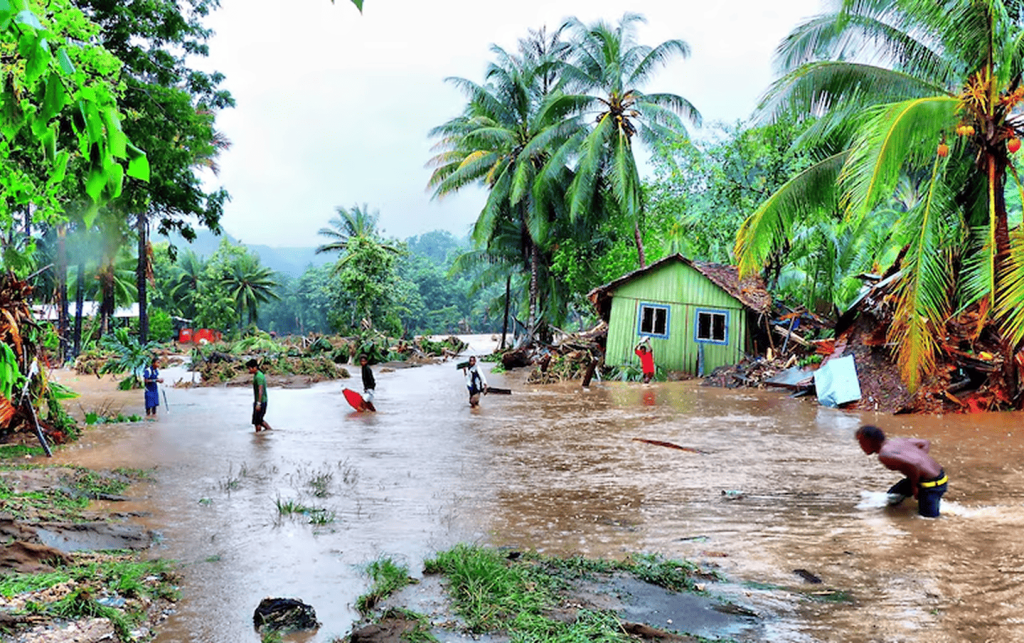
Case Study: Fast Payouts, Faster Recovery: Solomon Islands’ Big Win The Challenge The Approach The Solution Parametric MicroInsurance Framework Automated Payout Process Data-Driven Claims Calculation Digital Payment Delivery Real-time Portfolio Monitoring The Impact WRMS’s Role The Challenge The Solomon Islands is highly vulnerable to climate-related hazards, particularly heavy rainfall and tropical cyclones, which can significantly impact livelihoods, infrastructure, and vulnerable communities. Traditional insurance products often involve lengthy claims assessments and administrative processes, delaying financial assistance when it is needed most. To strengthen financial resilience and improve disaster preparedness, there was a need for an innovative insurance solution capable of providing rapid, transparent, and objective financial support following extreme weather events. The Approach Supported by the United Nations Capital Development Fund (UNCDF) through the Pacific Insurance and Climate Adaptation Programme (PICAP), TrigaCash was introduced as the Solomon Islands’ first parametric microinsurance product. The solution was designed around predefined weather triggers, using objective rainfall and cyclone data to determine when payouts should be activated. Unlike conventional insurance products, TrigaCash eliminates the need for manual loss assessments, enabling faster and more efficient access to financial assistance. When rainfall levels exceeded predefined thresholds, the payout process was automatically triggered, demonstrating the effectiveness of the parametric framework and its ability to deliver timely support to policyholders. The Solution Parametric Microinsurance Framework The product was structured around predefined rainfall and cyclone trigger thresholds, ensuring objective and transparent payout activation following qualifying weather events. Automated Payout Process
 By relying on independently verified weather data, the solution removes the need for traditional claims assessments and manual verification procedures. Data-Driven Claims Calculation Calibrated trigger mechanisms and objective datasets are used to calculate payouts consistently, accurately, and efficiently. Digital Payment Delivery Payouts are delivered directly through M-SELEN mobile wallets, enabling beneficiaries to access financial support quickly after a triggering event. Real-Time Portfolio Monitoring The Securisk platform provides continuous portfolio monitoring and supports transparent information sharing among programme stakeholders. The Impact The programme successfully demonstrated the effectiveness of parametric microinsurance in delivering rapid financial support following extreme rainfall events in the Solomon Islands. 41% of customers received a payout 30% received a payout from the second rainfall event 28% received payouts from both rainfall events All payouts were automatically triggered by excess rainfall events Claims processed using objective, data-driven methodologies The successful payout events validated both the rainfall trigger design and the broader parametric insurance framework. By providing timely and transparent financial assistance, TrigaCash has strengthened disaster preparedness, financial inclusion, and climate resilience for participating communities. WRMS’s Role WRMS served as the technical partner for product design and claims calculation support, contributing to: Structuring the parametric trigger framework Supporting multi-peril risk modelling and calibration Establishing payout calculation protocols Validating claims using objective datasets This successful payout demonstrates how robust parametric insurance architecture can transform innovative product design into real-world action, delivering rapid financial support and strengthening resilience for vulnerable communities.

PNG’s First Parametric Insurance Payout – Turning Design into Action 

Case Study: PNG’s First Parametric Insurance Payout – Turning Design into Action  The Challenge The Approach The Solution Parametric Insurance Framework Automated Claims Process Data-Driven Payout Calculation Digital Payment Delivery The Impact WRMS’s Role The Challenge Papua New Guinea (PNG) is highly exposed to natural hazards, particularly earthquakes, which can have severe impacts on vulnerable and underserved communities. Traditional insurance mechanisms often involve lengthy claims assessments, delayed payouts, and administrative complexities, limiting their effectiveness when rapid financial support is most needed. To improve financial resilience and demonstrate the viability of innovative risk transfer solutions, there was a need for a transparent, objective, and efficient insurance mechanism capable of delivering timely assistance following disaster events. The Approach In partnership with UNCDF, Women’s Micro Bank, Pacific Re, and Pacific MMI, a grassroots-focused parametric insurance programme was implemented to provide rapid post-disaster financial support. The product was designed around predefined seismic parameters, using objective earthquake data to determine whether payouts should be activated. Unlike conventional insurance products, the solution eliminates the need for physical loss assessments and lengthy claims investigations. On 3 February 2026, a magnitude 6.6 earthquake in northern Papua New Guinea exceeded the policy’s predefined trigger thresholds. The event automatically activated the payout process, demonstrating the effectiveness of the parametric design and its ability to deliver financial support quickly and transparently. The Solution Parametric Insurance Framework The insurance product was structured around objective seismic triggers, ensuring payouts are activated when predefined earthquake thresholds are exceeded. Automated Claims Process Because the policy relies on independently verified event data, no manual loss assessments or traditional claims procedures are required. Data-Driven Payout Calculation Transparent calculation protocols use objective datasets and calibrated trigger mechanisms to determine payout amounts consistently and efficiently. Digital Payment Delivery Once triggered, payments are processed digitally, enabling beneficiaries to receive support quickly following a disaster event. The Impact The programme successfully delivered its first payout following the February 2026 earthquake in Papua New Guinea. PGK 18,400 disbursed through the programmer Payments completed digitally within 14 days Trigger activated automatically based on predefined seismic thresholds Claims validated through objective, data-driven methodologies While the payout amount was modest, the operational success was significant. The event demonstrated that a well-designed parametric insurance solution can provide speed, transparency, and certainty when communities need support most. The milestone validates the effectiveness of parametric insurance as a tool for strengthening financial resilience and improving disaster response for traditionally underserved populations in Papua New Guinea. WRMS’s Role WRMS served as the technical partner for product design and claims calculation support, contributing to: Structuring the parametric trigger framework Supporting multi-peril risk modelling and calibration Establishing payout calculation protocols Validating claims using objective datasets This successful payout demonstrates how robust parametric insurance architecture can transform innovative product design into real-world action, delivering rapid financial support and strengthening resilience for vulnerable communities.

Weather Index Insurance for Honduran Farmers
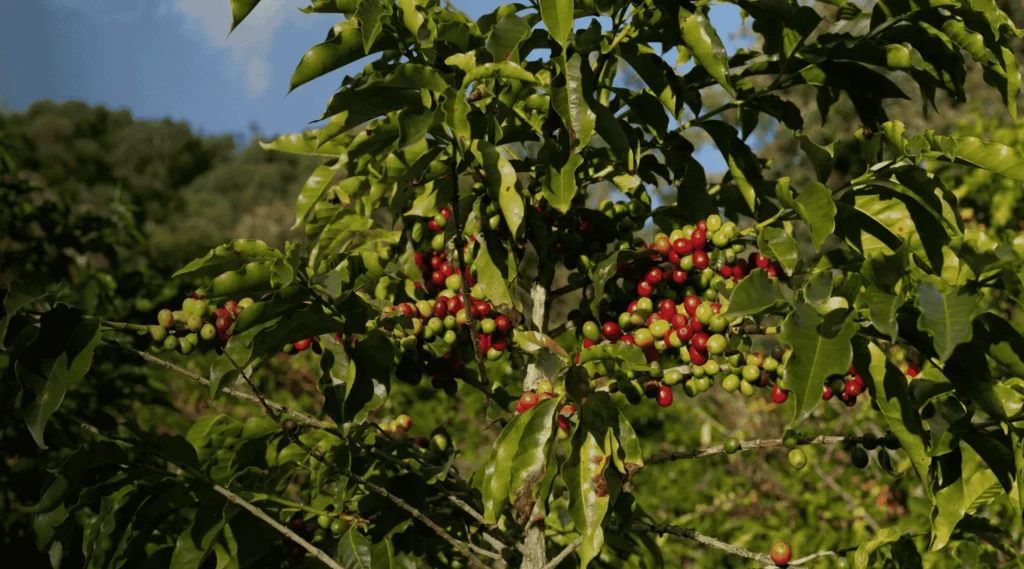
Case Study Weather Index Insurance for Honduran Farmers The Challenge Honduras relies heavily on agriculture, but climate risks increasingly threaten key export crops like coffee, sugarcane, tomato, and corn. Smallholder farmers, who are the backbone of this sector, face constant threats from extreme weather events like tropical cyclones and droughts. With crop failures and financial losses always looming, many farmers struggle to sustain their livelihoods. The lack of protection and inclusive support programs makes it clear: there’s an urgent need for innovative solutions to strengthen climate resilience and secure their future. The Approach UPL, in collaboration with WRMS, developed a Weather Index Insurance (WII) product tailored to the needs of Honduran farmers. This parametric solution provides coverage based on predefined weather events like excess rainfall and drought which eliminates the need for on-site loss assessments. The product uses real-time data from satellites and weather stations to trigger automatic payouts as soon as climate thresholds are breached to ensuring fast financial payouts. By integrating the WII product with UPL’s agricultural inputs, farmers receive comprehensive support during crop losses with need seed inputs without additional costs. To reduce the basis risk, the insurance model is calibrated to local weather conditions for accurate payouts. The partnership connects with local intermediaries to ensure farmers have access to credit, allowing them to invest in their crops without the fear of financial loss and new technology adoption. The Solution Parametric Insurance Model The WII product provides event-based coverage, with automated payouts triggered by specific weather conditions. This approach simplifies claims processing and ensure because of absence of on-site loss assessments. Comprehensive Coverage The insurance covers both excess rainfall and drought conditions to protect investments across crop cycles reducing risk exposure. Automated Payouts Real-time data triggers automated payouts, ensuring fast financial relief without lengthy claims procedures. Embedded Offering Combining insurance with UPL’s agricultural inputs creates a holistic solution that boosts productivity while mitigating climate risks. The Impact The WII program provided essential financial protection to smallholder farmers, enabling them to maintain productivity during extreme weather events. Quick payouts reduced vulnerability and promoted sustainable farming practices. By addressing the protection gap, the program contributed to long-term economic stability in Honduras’ agricultural sector. The Challenge Honduras relies heavily on agriculture, but climate risks increasingly threaten key export crops like coffee, sugarcane, tomato, and corn. Smallholder farmers, who are the backbone of this sector, face constant threats from extreme weather events like tropical cyclones and droughts. With crop failures and financial losses always looming, many farmers struggle to sustain their livelihoods. The lack of protection and inclusive support programs makes it clear: there’s an urgent need for innovative solutions to strengthen climate resilience and secure their future. The Approach UPL, in collaboration with WRMS, developed a Weather Index Insurance (WII) product tailored to the needs of Honduran farmers. This parametric solution provides coverage based on predefined weather events like excess rainfall and drought which eliminates the need for on-site loss assessments. The product uses real-time data from satellites and weather stations to trigger automatic payouts as soon as climate thresholds are breached to ensuring fast financial payouts. By integrating the WII product with UPL’s agricultural inputs, farmers receive comprehensive support during crop losses with need seed inputs without additional costs. To reduce the basis risk, the insurance model is calibrated to local weather conditions for accurate payouts. The partnership connects with local intermediaries to ensure farmers have access to credit, allowing them to invest in their crops without the fear of financial loss and new technology adoption. The Solution Parametric Insurance Model The WII product provides event-based coverage, with automated payouts triggered by specific weather conditions. This approach simplifies claims processing and ensure because of absence of on-site loss assessments. Comprehensive Coverage The insurance covers both excess rainfall and drought conditions to protect investments across crop cycles reducing risk exposure. Automated Payouts Real-time data triggers automated payouts, ensuring fast financial relief without lengthy claims procedures. Embedded Offering Combining insurance with UPL’s agricultural inputs creates a holistic solution that boosts productivity while mitigating climate risks. The Impact The WII program provided essential financial protection to smallholder farmers, enabling them to maintain productivity during extreme weather events. Quick payouts reduced vulnerability and promoted sustainable farming practices. By addressing the protection gap, the program contributed to long-term economic stability in Honduras’ agricultural sector.   REACH OUT TO US

Building Climate Resilience in through Parametric Insurance Potato

Case Study Case Study Late Blight disease in Potato Late Blight disease in Potato The Challange Late Blight is a lethal potato disease. In 2006 PepsiCo contract farmers lost 60 % of their crops due to this bane. It was difficult to extend cover under existing Crop Insurance programs due to moral hazard. What We Did Advanced Analysis Analyzed & found high correlations between location, humidity, and temperature. Regional Indexing Created an index to cover blight risk specific to the region. IoT Infrastructure Installed weather stations to minimize basic risk; critical for extending this kind of cover. Results & Scaling 10+ Successfully ran the project for 10+ years. 10,000+ Covered 10000+ potato farmers. Enabled risk-free investment of small & marginal farmers in smart technology. Demonstrated how insurance can be used by contract farming companies to sustain their farmer base. Background Late Blight is a lethal potato disease. In 2006 PepsiCo contract farmers lost 60 % of their crops due to this bane. It was difficult to extend cover under existing Crop Insurance programs due to moral hazard. What We Did Analyzed & found high correlations between location, humidity, and temperature. Created an index to cover blight risk specific to the region. Installed weather stations to minimize basic risk; critical for extending this kind of cover. Impact Successfully ran the project for 10+ years. Covered 10000+ potato farmers. Enabled risk-free investment of small & marginal farmers in smart technology. Demonstrated how insurance can be used by contract farming companies to sustain their farmer base. REACH OUT TO US

Building Climate Resilience in Haiti through Parametric Insurance
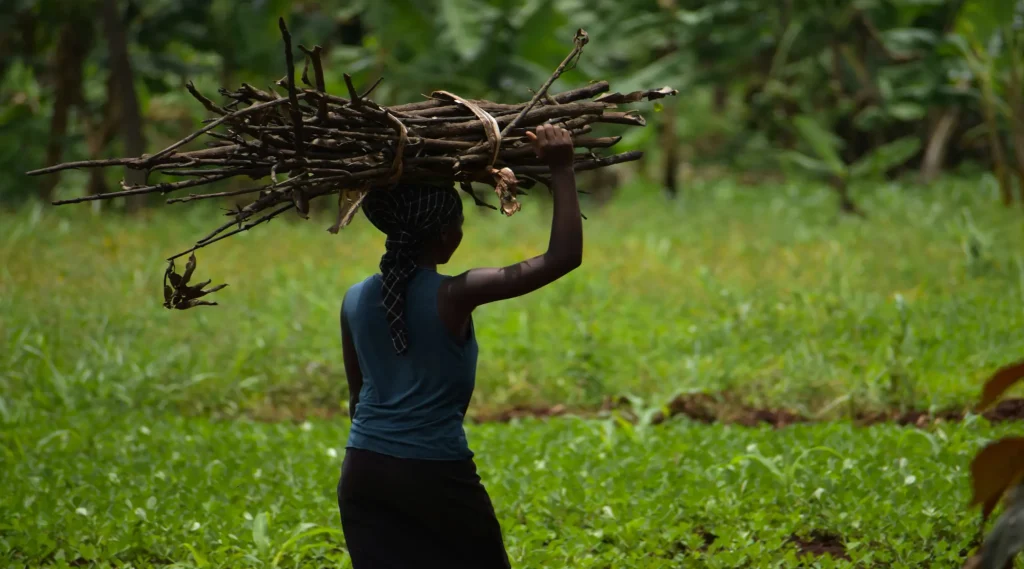
Case Study Building Climate Resilience in Haiti through Parametric Insurance The Challenge Haiti often experiences natural disasters such as hurricanes, floods, and droughts. However, it lacks reliable historical data and technology to manage these events. This makes it hard for insurance companies to create good risk management products in Haiti. As a result, smallholder farmers and communities are at risk of climate-related losses. Innovative, data-driven insurance solutions were essential to address these gaps and build resilience. The Challenge Advanced Technology & Data Integration WRMS teamed up with the World Food Programme (WFP) to start a Weather Index Insurance (WII) program. This program helps protect Haitian farmers from climate risks, such as heavy rain and drought. WRMS used SecuSense, a modern Data Management System (DMS), to gather real-time climate data. It collects information from trusted sources like ECMWF and GPM. Remote sensing tools, including NDVI, MODIS, and Sentinel-2, allowed for precise weather tracking and crop health monitoring. Custom Calibration for Local Adaptation WRMS created a special insurance solution for Haiti’s weather and geography. The team regularly updated the model to ensure payouts match local climate events. These ongoing adjustments guaranteed that the product remained compliant with changing environmental and regulatory requirements while delivering swift and reliable financial relief to farmers. The Solution Implementation & Monitoring The Weather Index Insurance program was rolled out in the Grand Anse and Sud regions, initially covering 5,000 farmers. WRMS continuously monitored the weather to track and gather data. The system used real-time data to trigger automatic payouts when it reached certain climate thresholds. This provided quick financial cushion for farmers affected by droughts or heavy rain. It also allowed them to adjust to Haiti’s changing climate. Customize Insurance Products Custom calibration allowed the program to reflect localized weather conditions. WRMS aligned the insurance model with real-time climate data. This made payouts timely, clear, and suited to farmers’ needs. This flexibility helped WRMS adjust the solution as climate patterns changed. It became a dependable safety net for Haiti’s farming sector. The Impact By 2023, the program expanded to cover 7,500 farmers, providing immediate financial relief during climate events. WRMS aims to reach 50,000 farmers by 2024. They are also looking into new financial tools to help build resilience. This initiative proves how parametric insurance can strengthen climate resilience in vulnerable regions and presents a scalable model for other areas facing similar challenges. The Challenge Haiti often experiences natural disasters such as hurricanes, floods, and droughts. However, it lacks reliable historical data and technology to manage these events. This makes it hard for insurance companies to create good risk management products in Haiti. As a result, smallholder farmers and communities are at risk of climate-related losses. Innovative, data-driven insurance solutions were essential to address these gaps and build resilience. The Approach Advanced Technology & Data Integration WRMS teamed up with the World Food Programme (WFP) to start a Weather Index Insurance (WII) program. This program helps protect Haitian farmers from climate risks, such as heavy rain and drought. WRMS used SecuSense, a modern Data Management System (DMS), to gather real-time climate data. It collects information from trusted sources like ECMWF and GPM. Remote sensing tools, including NDVI, MODIS, and Sentinel-2, allowed for precise weather tracking and crop health monitoring. Custom Calibration for Local Adaptation WRMS created a special insurance solution for Haiti’s weather and geography. The team regularly updated the model to ensure payouts match local climate events. These ongoing adjustments guaranteed that the product remained compliant with changing environmental and regulatory requirements while delivering swift and reliable financial relief to farmers. The Solution Implementation & Monitoring The Weather Index Insurance program was rolled out in the Grand Anse and Sud regions, initially covering 5,000 farmers. WRMS continuously monitored the weather to track and gather data. The system used real-time data to trigger automatic payouts when it reached certain climate thresholds. This provided quick financial cushion for farmers affected by droughts or heavy rain. It also allowed them to adjust to Haiti’s changing climate. Customize Insurance Products Custom calibration allowed the program to reflect localized weather conditions. WRMS aligned the insurance model with real-time climate data. This made payouts timely, clear, and suited to farmers’ needs. This flexibility helped WRMS adjust the solution as climate patterns changed. It became a dependable safety net for Haiti’s farming sector. The Impact By 2023, the program expanded to cover 7,500 farmers, providing immediate financial relief during climate events. WRMS aims to reach 50,000 farmers by 2024. They are also looking into new financial tools to help build resilience. This initiative proves how parametric insurance can strengthen climate resilience in vulnerable regions and presents a scalable model for other areas facing similar challenges. REACH OUT TO US